
Finding Town of Islip Residents
There is no single master roster of who lives in Islip. The trail starts with the fact in hand. An address converts best to a parcel and tax-map clue. A recorded owner belongs in the Suffolk County Clerk index. A voter question goes to the New York lookup, which requires specific inputs. Older family questions fit a yearbook, newspaper, city directory, census page, or deed. Each result is a dated clue rather than a full household list.
The Town, the County, and the State each hold different pieces. That split is normal here. Islip Town Hall handles local assessment and vital functions. Suffolk County keeps the deeds and older land books. State services cover voter and vital-record routes. Start narrow. Save the document date and parcel or index number. Then confirm the match with a second record. For a street-by-street approach, find who lives on a street in the Town of Islip. Pair parcel data with the resident lookup tools described throughout this residents directory.
- For an address, identify the parcel through the assessment-roll and GIS routes, and write down the tax-map reference.
- Use the County Clerk address finder or name search to locate a recorded deed, mortgage, lien, or prior party.
- For a named voter, use the required name, date of birth, county, and address fields in the state lookup.
- For a former household, pair a library directory or yearbook with the appropriate census, deed, obituary, or probate clue.
- When an online index ends, contact the custodian for its counter, mail, copy, FOIL, library, or archive route.
Town of Islip Records Geography
Islip sits in Suffolk County but is not the county seat. One search can therefore point to Town Hall in Islip, the County Clerk in Riverhead, the elections office in Yaphank, a District Court spot in Ronkonkoma, or a state office in Albany. A local address may also carry a hamlet or post-office label. That label can differ from its municipal description. Keep the town, hamlet, ZIP, and tax-map values together when comparing records across systems.
The owner mailing address and the situs address are different things. The situs is where the parcel sits. The mailing address is where tax notices go, and it can be somewhere else entirely. A deed, parcel entry, or owner table is solid evidence of a transaction or ownership. It does not tell you every person living at that address.
Town of Islip Resident Records Offices
Four offices anchor the official trail. The Town Assessor and Suffolk GIS turn a street address into a parcel clue. The County Clerk connects parcel and party details to recorded documents. The New York voter service answers a narrow registration question. It works for a supplied person and address. The Town Clerk serves as local records custodian and registrar. The office handles Islip vital events and Town requests.
Town of Islip Assessor
Assessment-roll and parcel route
Town of Islip, NY
Use the Town office page for current contact details
New York Elections Service
State registration and poll-site route
Suffolk County selection required
County Board of Elections handles local questions
Each office sets its own access rules. Clerk records, County books, and Board of Elections materials are not interchangeable. For a named street, the detailed parcel and deed sequence lives on the Town of Islip street directory page rather than in a broad residents search.
Town of Islip Parcel Clues
The Town Assessor maintains more than 99,000 parcels and updates ownership after deed transfers. Its assessment roll is the starting point for current property evidence. Suffolk GIS adds tax-parcel geometry, street and address labels, and a Tax Parcel Owners table. Record the parcel or tax-map value before switching systems. That value bridges an address and a recorded document. It does so whenever a street label or mailing address is ambiguous.
The Town of Islip Assessor page is the official handoff for assessment functions. It also provides property-search access.
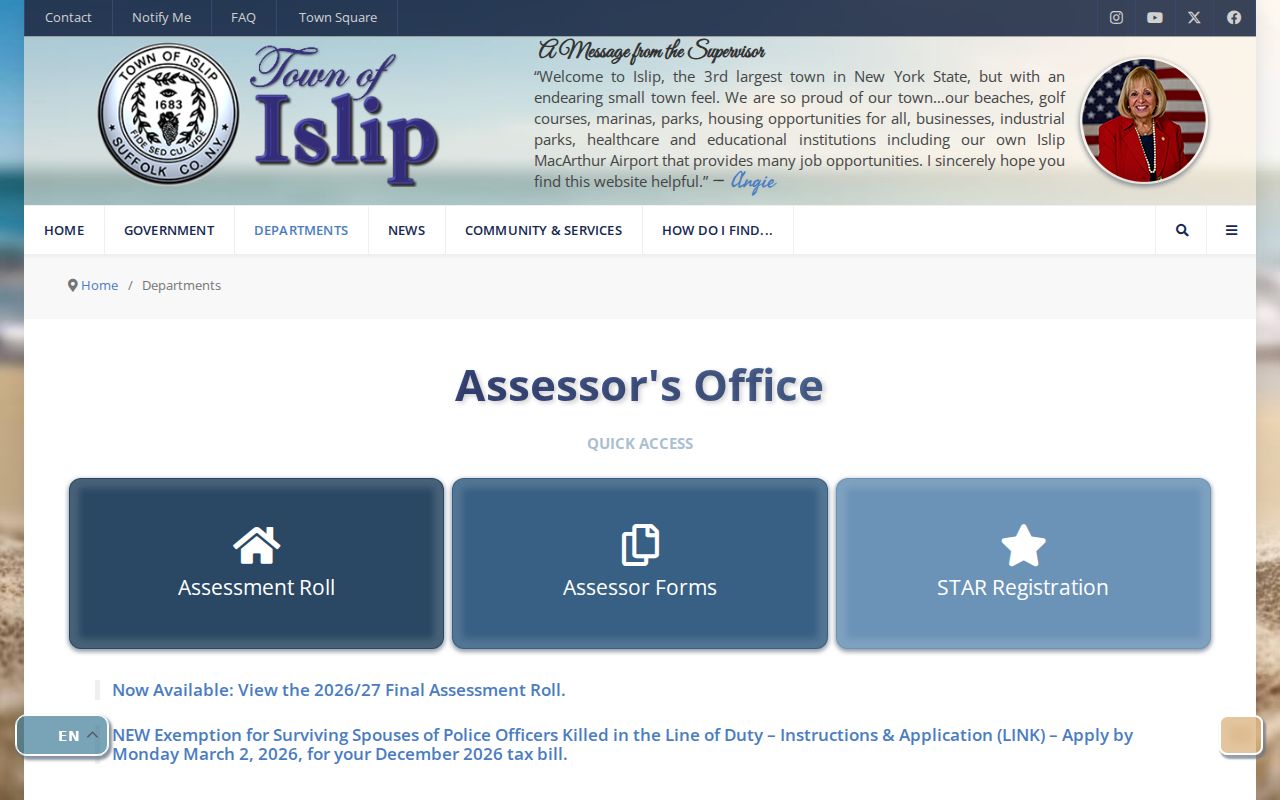
The assessment page leads to parcel and roll information, not an unrestricted roster of occupants. Compare the physical situs with the owner mailing field whenever both appear.
- Parcel
- A mapped piece of land used by the assessment and GIS systems.
- Situs address
- The physical address of the parcel or building, which can differ from the owner mailing address.
- Tax map
- The group, district, section, block, and lot reference that connects an address to county records.
- Index
- A searchable list of record references, often leading to a document image or a copy request.
Town of Islip Deed Index Trail
The Suffolk County Clerk's free kiosk index covers online land records from 1987 forward. In person, land research reaches back to 1660. The address finder accepts house number, street name, and ZIP. It can return tax-map components. Name Records supports last name or corporation, an optional first name and suffix, date limits, and Starts With, Contains, or Exact preferences. A broad search can stop at the first 2,000 displayed rows. So a date, ZIP, or document type helps narrow the deed index results.
The Suffolk County Clerk search shows the address, tax-map, name, Liber/Page, index, business, court-minutes, corporation, and naturalization categories in one kiosk.
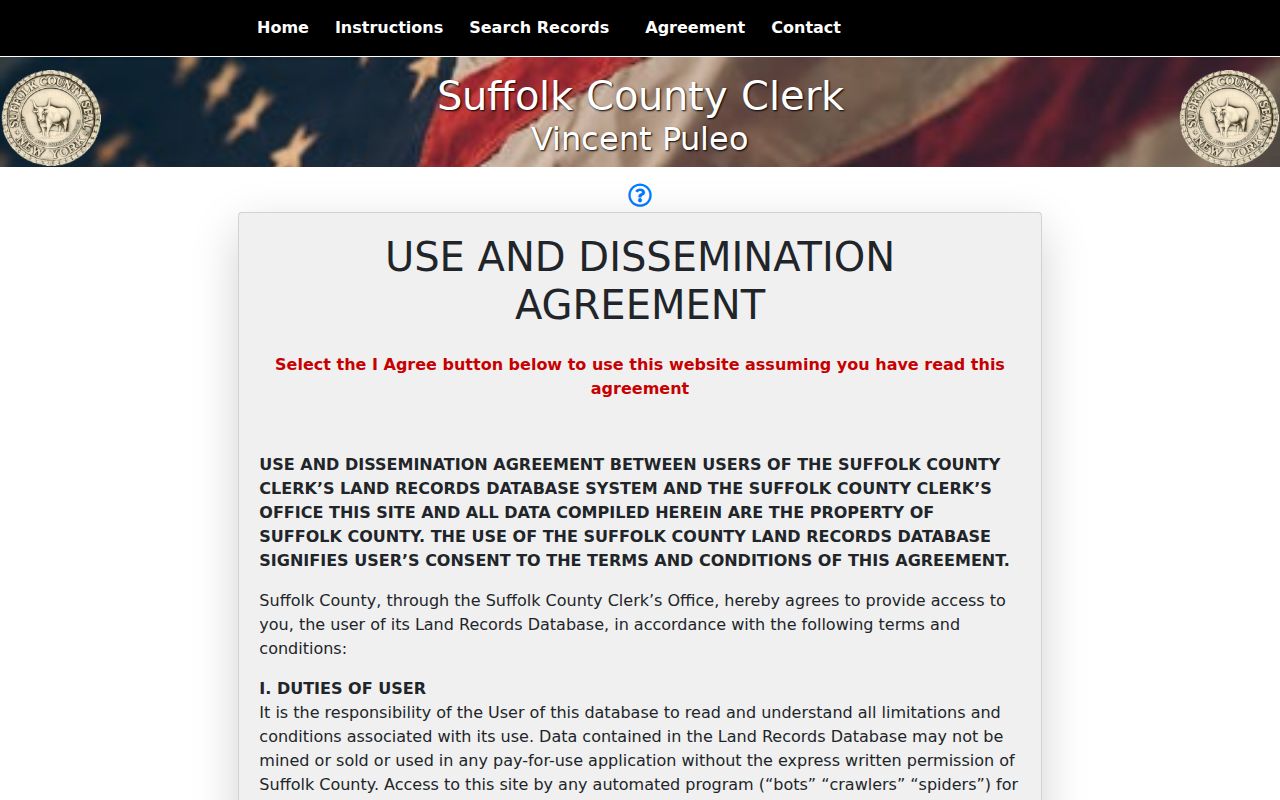
A deed result can show grantor, grantee, document type, Liber, Page, recording date, and notations. The free index and the paid or requested document image are separate access paths. Older books, microfilm, public workstations, and Riverhead staff fill the gap when the online trail stops.
| Result field | What it helps establish |
|---|---|
| Grantor and grantee | The parties to a recorded transfer, not a full household. |
| Liber and Page | The stable book reference for following a prior deed. |
| Date received | When the Clerk recorded the document. |
| Document type | Whether the row is a deed, mortgage, lien, or another filing. |
Note: Certified copies and document images still go through the Clerk's office whenever the kiosk's index entry alone leaves questions open.
Town of Islip Voter Record Limits
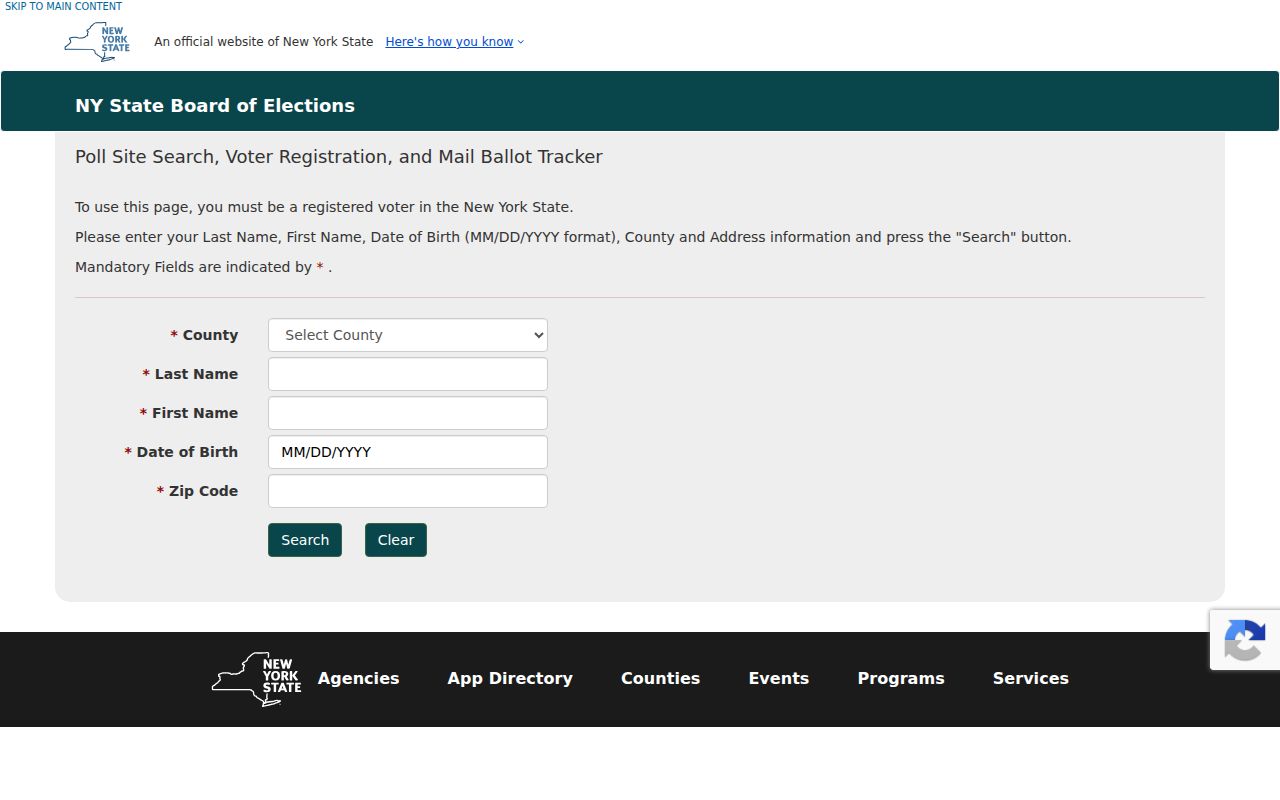
The NYS Voter Lookup is a service for individual registration, poll-site, and mail-ballot questions. It asks for county, last name, first name, and date of birth. Address information also enters its workflow. A match can support a registration question for the supplied person and address. It is not a bulk residents directory, though. A non-match does not prove someone never lived there. Address changes, inactive status, and protected records can all affect a result.
The NYS Voter Lookup requires JavaScript and cookies. It also directs users to choose Suffolk County for Town of Islip searches.
Election Law §3-220 keeps certain voter details off limits. Driver-license and non-driver ID numbers, Social Security data, and signature-type information all fall outside public release. Election-district lists follow their own publication rules. Ballot choices never enter a resident lookup at all.
Current Town of Islip Resident Directories
What does a current record actually prove? That question matters more than listing every source. A parcel record anchors an owner or a tax-mailing clue. A deed names the parties to a recorded transaction. A voter response speaks only to registration, and a court index gives a date plus a party role. Two independent anchors make a same-person match far safer than any single hit.
| Town of Islip source | What it can show | Custodian | Access path |
|---|---|---|---|
| Assessment roll and parcel | Owner-of-record, situs, tax-mail clue | Town Assessor / Suffolk GIS | Roll handoff and public GIS |
| Recorded deed or mortgage | Named parties, legal parcel, recorded date | Suffolk County Clerk | Free index, image or copy route |
| Voter registration response | Registration and poll-site response | NYS / Suffolk Board of Elections | Individual lookup or lawful request |
| Court index | Party role, case type, filing or appearance dates | New York courts / County Clerk | Web index and clerk counter |
| Library yearbooks and newspapers | Historical community, school, and obituary clues | Islip Public Library | Online, in-library, and Local History Room |
These records overlap without ever forming one complete residents list. A name-first question calls for careful one-person verification, while a past household fits better on the historical route through the Islip residents directory collections of an earlier era.
Town of Islip Court and Vital Checks
Suffolk District Court's 5th District handles Town of Islip matters. Civil cases can be searched through WebCivil Local by index number, party, attorney, judge, or calendar context. CV, CC, and SC coverage is stated from 2008. Statewide options exist too. WebCivil Supreme and NYSCEF open broader index and e-file paths. Sealed, restricted, unentered, and some older records stay out of view. A case hit is only a lead. It proves neither current residence nor a full story without the party role and date. The Suffolk WebCivil Local instructions explain how 5th District users work with the service.
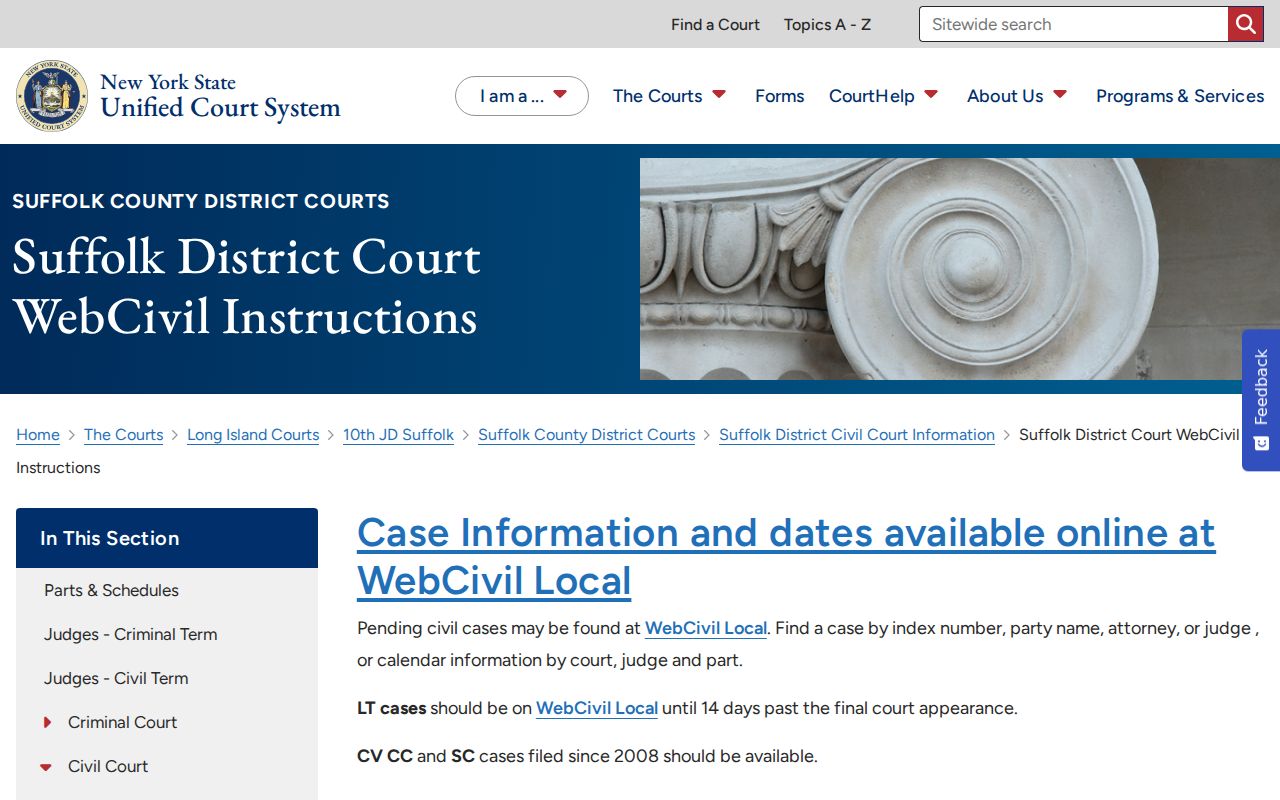
A docket row works best as a role-and-date lead. Certified copies, full court files, and older materials each follow their own clerk, counter, mail, and archive procedures.
Births and deaths in the Town go through the local registrar. For genealogy, state Department of Health access generally opens after 75 years for births, 50 for deaths, and 50 for marriages once both parties are deceased. Certified copies carry separate eligibility and identification rules. Vital records do not flow through FOIL. The New York State vital-record genealogy guidance covers the form, period, fee, and processing steps.
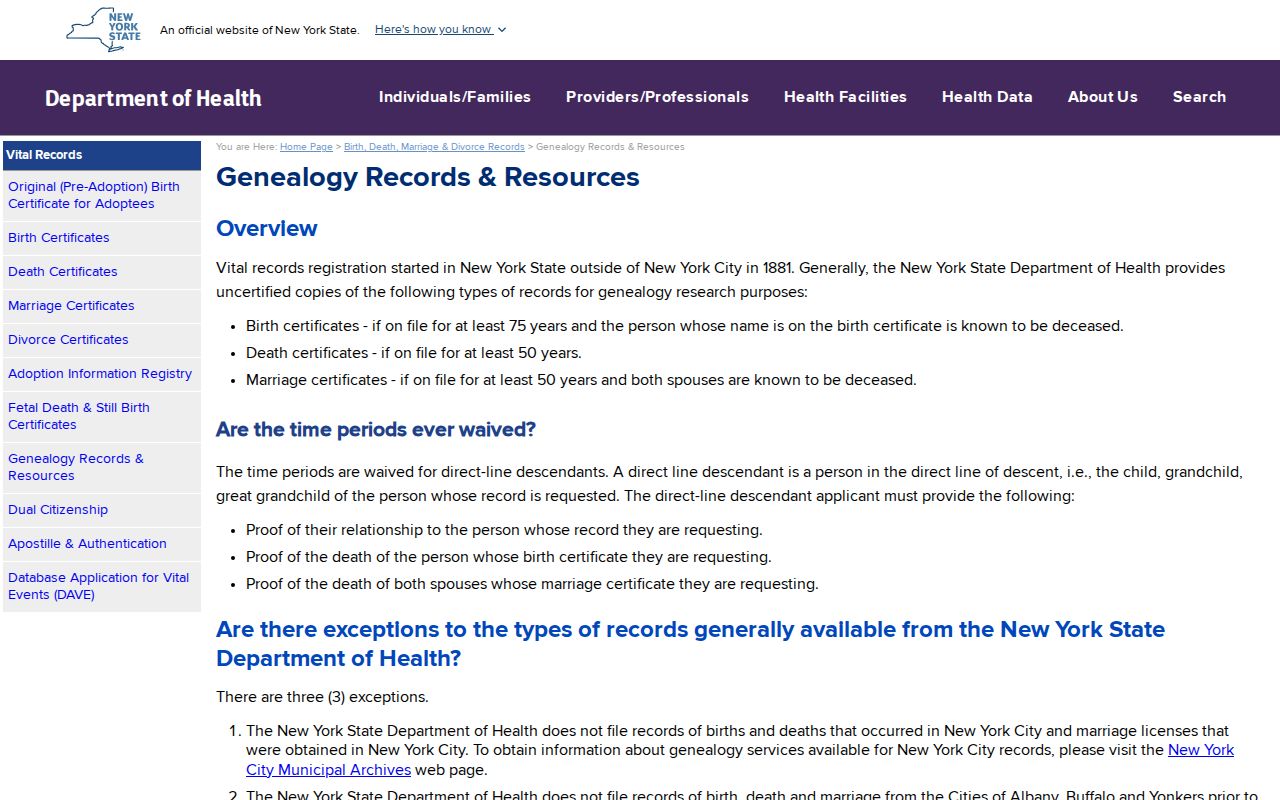
A genealogy certificate is a form-and-eligibility route, not an open current-name database. The Town registrar, the state mail route, and library newspapers each answer a different question about past residents of the Town of Islip.
Town of Islip Identity Clues
A professional license or business filing can document an affiliation, but not a home address. New York's Office of the Professions searches one profession at a time. Results can include name, license number, location, original-license date, registration status, and qualifying discipline information. Search surname variants with care. Initials, suffixes, Mc and O' forms, trusts, corporations, and former names all hide matches. A County Clerk business certificate or state entity record adds a second role-and-date check. The New York professional-license verification page explains the profession selection. It also covers the name or license-number search.
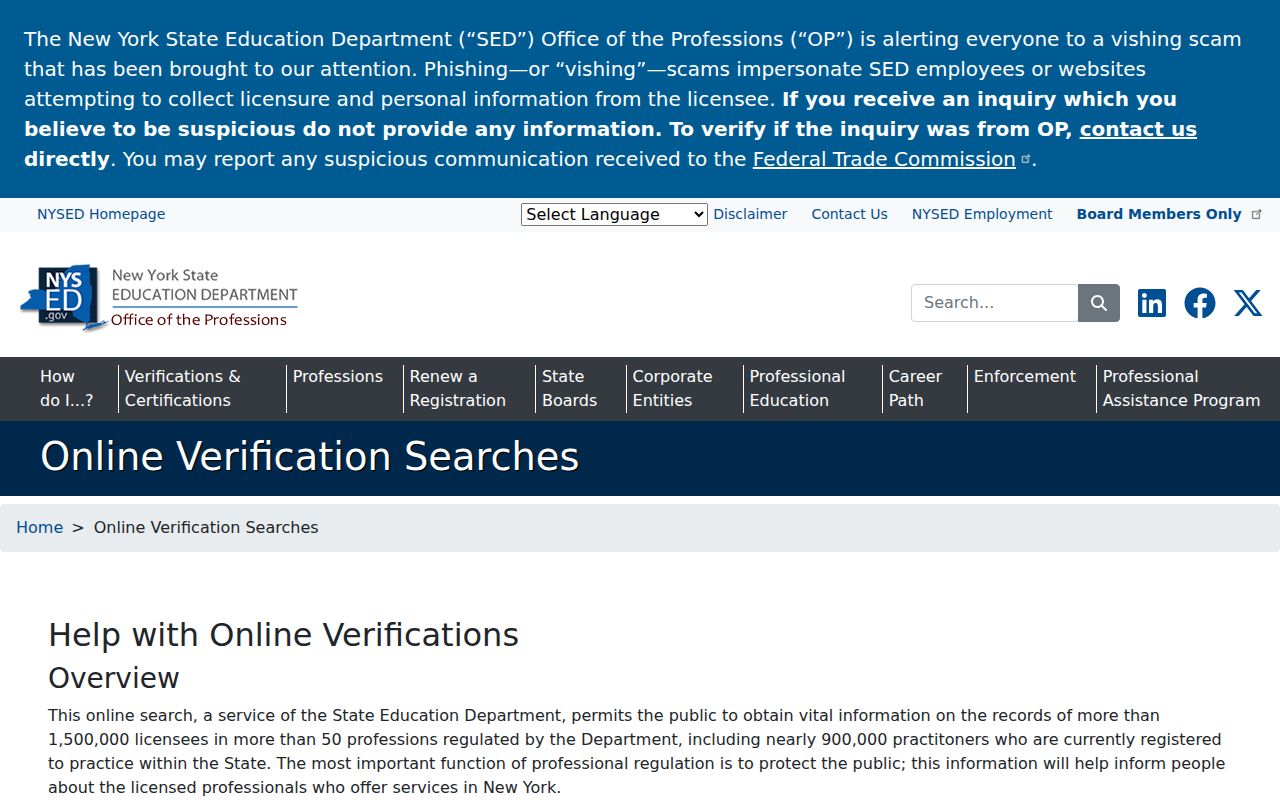
Keep each result in its lane. A license supports an affiliation or status question, while a parcel, recorded transaction, or voter response supplies different evidence entirely.
Special-purpose public-safety tools share that narrow scope. The state registry is not a general residents directory. Its search modes, exclusions, and legal notices govern what the public may do with it. The New York's official registry search provides name, county, and ZIP modes limited to the information it is authorized to show.
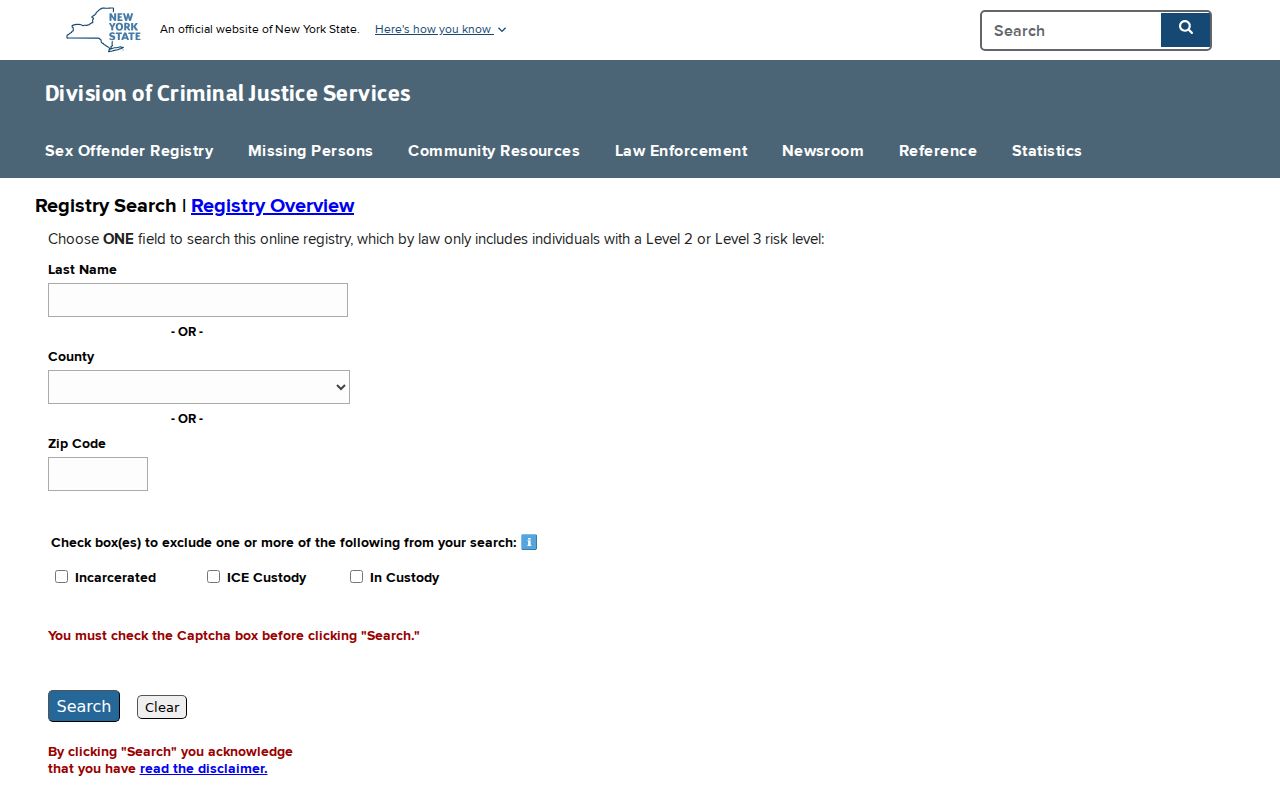
Keep special-purpose results separate from ordinary residence research, and follow each office's safety and eligibility instructions.
Historical Town of Islip Resident Directories
For a former household, the Islip Public Library is the local starting shelf. Its genealogy page points to several aids. These include the Local History Room, historical newspapers, licensed resources, and Islip High School yearbooks. The Secatogue yearbooks begin in 1940. The NY Heritage collection reports 80 items. Recent copies stay in the Local History Room. A yearbook, obituary, newspaper notice, census, or directory entry places a person in time. A deed or probate file can then test the address connection.
No printed Islip city or reverse directory publisher or complete year run is established here. That is a catalog question for a librarian, not something to guess at. The Town of Islip city directories page follows several paths in more depth. These include the library, FamilySearch, historical societies, telephone directories, and the census. Tracing an older address? Start with current-property records first. The Town of Islip assessment-roll page offers a useful handoff before you dig into a deed.
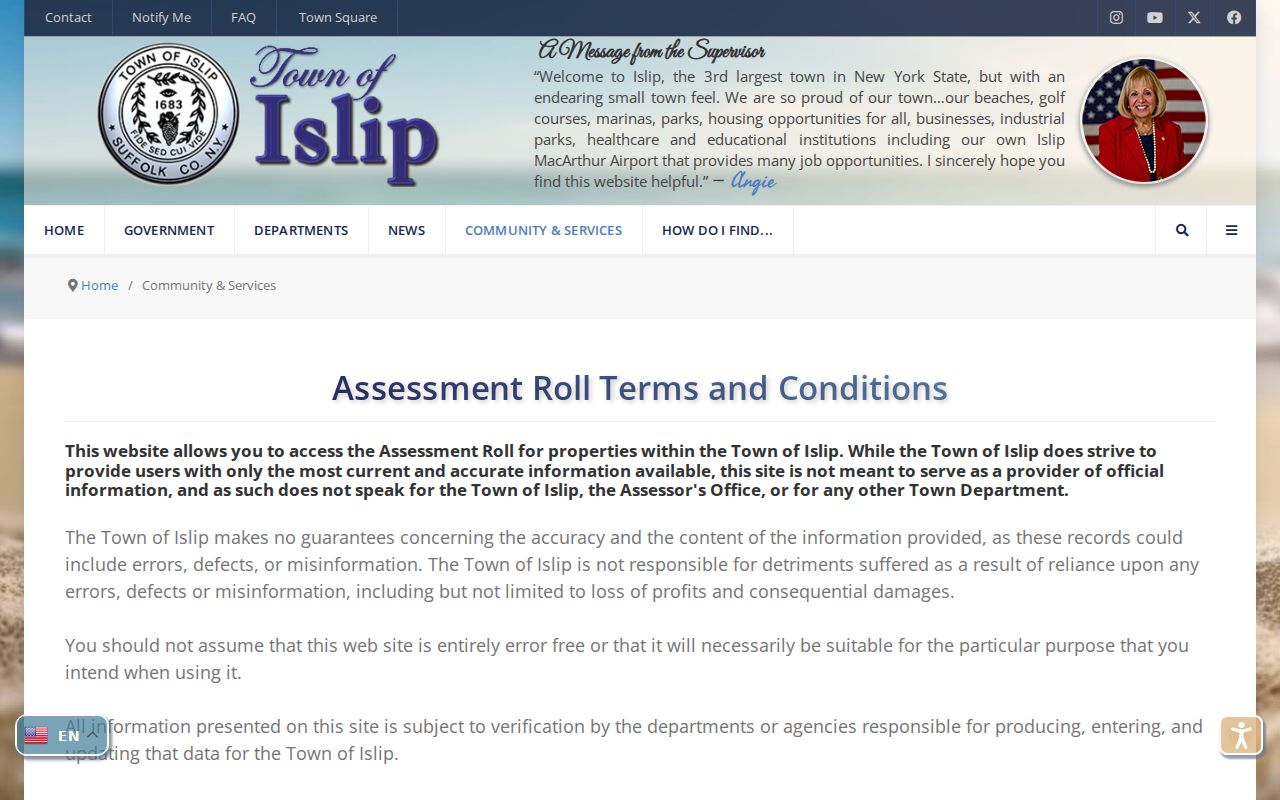
Pair a historical directory clue with an assessment or deed reference. That comparison separates a past resident from a later owner or a mere mailing-address match in the Town of Islip record trail.
Town of Islip Protected Records
New York's Address Confidentiality Program can give eligible participants a substitute address and mail forwarding. Voter identifiers, confidential vital details, sealed court matters, and DMV personal information are not ordinary directory material either. A written FOIL request can seek many government records. The custodian decides what gets released, redacted, or withheld. The Town's FOIL routes separate Building Department material from other Town records, and County Clerk books or library collections still matter when a portal stays silent.
Note: Verify any result with the office that created it before relying on or sharing what you found in the Town of Islip residents directory.
Town of Islip Records Through Time
Older searches in Islip call for different tools, and Suffolk's record history shows why. Land records go back to 1660 in person. Online access starts only with 1987. Before that, expect Riverhead workstations, microfilm, bound books, or the Historic Documents Library.
Work backward for the best results. Start with the Liber and Page on a current deed, chase the prior-deed reference, then search seller and buyer names in the older index. One alphabetical set covers 1660 through 1950. From 1951 to 1969, the indexes split by town.
Here is a tip worth saving. The current deed's Liber/Page and prior reference usually beat a broad old-name search. The County Clerk's records center and historic room are a real stop on the Town of Islip residents directory trail, not a dead end for past residents and old property rolls.