
Town of Islip Neighbor Sources
Every parcel border tells part of the story. The Suffolk GIS viewer maps tax parcels, street and address labels, building footprints, and an owner-related table for Town of Islip blocks. From there, the Assessor and County Clerk test a parcel clue against an assessment record or a recorded transfer. Election and civic sources answer narrower questions of their own. None works as a household roster. Match the source to the question. A boundary dispute, an owner question, a public record, or a local organization each points somewhere different.
| Source | What It Shows About a Block | Access |
|---|---|---|
| Suffolk GIS Tax Parcels | Adjacent parcel geometry, labels, building context, and an owner-table association | Public viewer and REST service; Identify and Find operations; selections have a 2,000-record maximum |
| Town Assessor and assessment roll | Parcel, owner, mailing clue, value, exemption, and situs information | Assessment-roll handoff; exact whole-street browsing controls were not confirmed |
| Suffolk County Clerk deeds | Ownership transfers, recorded parties, legal parcel, Liber, page, and date | Search each tax map or name; online land records from 1987, with older books and microfilm at Riverhead |
| Election-district records | Statutory public name-and-address lists during the defined publication period | Board of Elections inspection or request route, subject to confidentiality and timing rules |
| Building FOIL records | Permit, certificate, plan, and inspection history tied to an address | Town Building FOIL request and applicable redactions |
| Civic organizations | Community contacts, meetings, or directory availability | Public organization sites; no private member roster is implied |
A parcel owner can be mailed somewhere else entirely. Trusts, estates, and organizations appear as owners too. Those details verify a paper trail, yet they still say nothing about who lives in the building today or who your neighbors are.
Map Town of Islip Neighbors
Begin with one address you know. Turn on Tax Parcels plus the street or address labels. Click Identify on the target parcel. Note its parcel or tax-map reference. Pan and zoom to each adjoining polygon rather than trusting a similar street number. The public service offers Identify, Find, query formats, and many layers. However, it has no radius or buffer control. So do not claim a fixed distance around an address.
- Navigate to the target street and confirm the correct parcel with street and address labels.
- Use Identify on the target, then note its tax-map or parcel reference and visible attributes.
- Pan to each touching parcel and record that parcel’s separate reference. A road, alley, water feature, or large tract can change what is actually adjacent.
- Use the tax-map reference with the Assessor and County Clerk before attaching an ownership conclusion to the parcel.
Review the Suffolk GIS MapServer layer inventory before choosing layers.
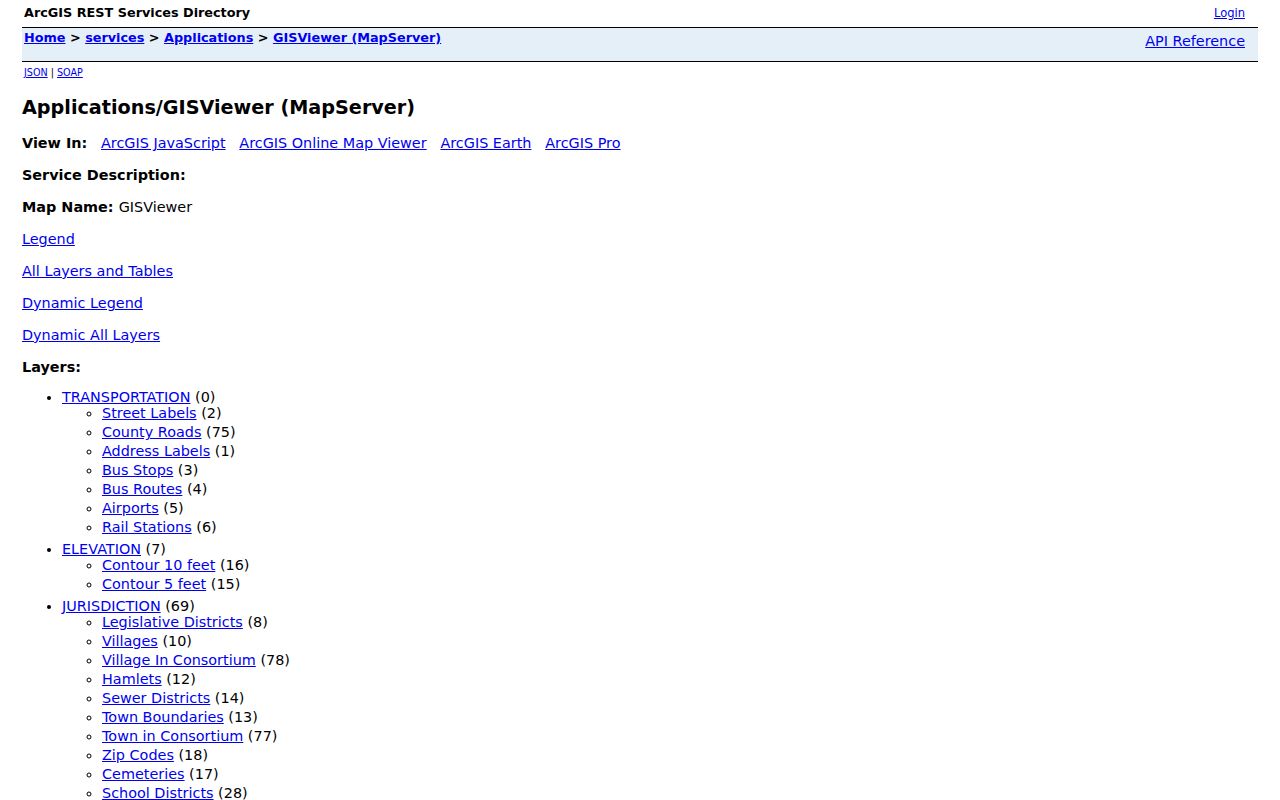
Tax-parcel, owner-table, district, environmental, and transportation layers add real block context. They do not make the viewer a neighbor directory.
Town of Islip Neighbor Parcel Checks
Cross-check each parcel. Use the Town of Islip Assessor and the Suffolk County Clerk Records Kiosk. Assessment material may list an owner of record, situs address, mailing address, value, and parcel traits. The Clerk's deed index goes further. It can add grantor, grantee, document type, Liber, page, recording date, and a prior reference. The online land index runs strongest from 1987 forward. Earlier deeds mean the counter, public-access terminals, books, or microfilm in Riverhead.
Street labels and numbers can change. A legal parcel reference keeps the trail together. Treat the legal description, lot reference, and tax-map identifier as the stable bridge. A map layer may show a building footprint, an empty lot, or a large tract. That is physical context, not a name. Note: the Assessor publishes no confirmed owner-name field or whole-street browse, so run a live screen check before promising either search mode.
Town of Islip Neighbor Layers
Layers explain why a nearby parcel may not share your local setting at all. Suffolk GIS carries town and hamlet boundaries, ZIP polygons, school, sewer, village, and legislative districts. Parks, cemeteries, transit, fire and police locations, flood areas, wetlands, and contours sit in the same viewer. Turn on only what answers the block question. A ZIP polygon is context, not a delivery-address promise. An environmental layer says nothing about residents.
Town of Islip spans mainland hamlets, shoreline areas, Fire Island communities, older centers, and large institutional parcels. One street can cross a hamlet, ZIP, school district, or village line. Write down the hamlet and tax-map reference first. Keep them beside the address when you compare parcels.
Town of Islip Neighbor Voter Limits
New York's individual Voter Lookup demands a name, date of birth, county, and address. It is no map or surname sweep. Election Law §5-602 instead allows a full list of names and residence addresses in each election district. That window opens after the last local registration and closes the fifth day before the next general election. Lists may run by street and number or alphabetically. Statutory timing and publication-cost limits still govern them.
Election Law §3-220 shields driver-license, DMV, Social Security, and signature-style identifiers from public inspection. Address-confidential and protected voter data stays protected. No ballot choice is ever visible. For lawful inspection or record questions, use the Suffolk County Board of Elections. Never build a private roster from name searches.
Town of Islip Neighbor Records
Building files answer a property question, not a people question. Permits, certificates of occupancy, surveys, plans, and inspection reports all describe a structure. The documented route is FOIL through the Building Department. To see them, you file in the Town of Islip. A strong written request names the situs address and tax-map number. It gives an approximate year range and says which record type is wanted. Note whether inspections or copies matter. The Town runs its code-enforcement violation search on a $100 form. The Town publishes no permit-by-address results page, so written requests carry the load here.
FOIL is simply New York's written-request process under Public Officers Law Article 6. It does not unlock sealed records, privacy exemptions, or anything a law makes confidential. Islip also splits routing. Building requests go one way, while other Town records travel through the Town Clerk. Ask the custodian directly what can be released. A narrower request might move faster, so consider that option.
Town of Islip Neighbor Civic Contacts
Sometimes a neighbor question is really a community question. Civic groups work better for that than treating a block as a data set. Their public information covers meetings, events, directories, and contact routes. But it never amounts to an open membership roster. The Town's organization dashboard sorts civic, chamber, school, library, emergency-service, and parks groups into one view. That makes it a practical first stop. It helps you find the right community contact among Town of Islip neighbors.
| Organization | Public contact or access | What is available |
|---|---|---|
| Central Islip Civic Council | Community directory and Council contact at 68 Wheeler Road | Directory names civic and community organizations; it is expressly a work in progress, with no private member roster |
| Central Islip Coalition | Third Tuesday monthly meeting at 7 p.m., Central Islip Recreation Center, 52 Clayton Avenue; membership/contact route | Quality-of-life mission and public meeting information; no public member list found |
| Greater Sayville Civic Association | Public community-events and organization links for Sayville and West Sayville | Mission and civic network; no membership list found |
| Kismet Community Association | Community contact and directory availability at Kismet Market | A directory circulates and can be purchased, but no online member roster is posted |
| Town of Islip organizations dashboard | Townwide organization categories | A contact path for local institutions, not a neighbor list |
Hamlet historical societies add a different kind of depth. Groups in Islip, Sayville, Bay Shore, Brentwood, East Islip, Oakdale, and elsewhere hold photographs and family files. They also keep oral histories and local artifacts. Call each one and ask about a research appointment or its archive. None publishes an open roster; membership and private community lists are not public data.
Town of Islip Neighbor Tools
Official parcel and civic sources state their own limits. They point back to a records custodian. Commercial neighbor tools sit in a different category. They may blend parcel ownership, address history, marketing data, and public filings into one profile. Entries can be stale, incomplete, or attached to the wrong person. No vendor result can override an address-confidential record or voter protection. The same goes for a motor-vehicle restriction, or a sealed file.
| Source category | Best use | Key limit |
|---|---|---|
| Official GIS, Assessor, Clerk, and Board sources | Parcel, recorded-document, election-district, and agency-record questions | Each source covers only its own record and access rules |
| Commercial neighbor tools | A prompt to verify a named fact with an official custodian | Not an official record; stale or misjoined entries can occur |
Trust the custodian over the aggregator. When a commercial entry conflicts with a tax map, recorded deed, or agency response, the official office settles it. A convenient result never expands the record's legal access limits.
Town of Islip Neighbor Parcel Tip
Insider tip. A current deed can beat a broad name search. Pull its Liber and page, note the prior-deed reference, and you have a chain. Save the tax-map reference first, then compare it against the recorded legal description. The County Clerk's HOWL property-watch program asks for an exact tax-map number on its condo registration. That detail is telling. An address alone may not be precise enough for a parcel question.
Keep HOWL's purpose straight, though. It is a property-fraud alert for a registered owner. It is not a way to identify a block's private residents. The owner registers the property and receives a mailed PIN. Then the program sends an activation path.
Town of Islip Neighbor Privacy
A property record says who owns, not who lives there. It will not name other occupants, visitors, every household member, utility customers, or delivery customers. The New York Address Confidentiality Program gives eligible participants a substitute address with mail forwarding. State and local agencies must honor it. The Driver's Privacy Protection Act restricts DMV personal information. Court, voter, and vital records each carry separate limits.
Fix an official entry at the office that created it. Never republish a protected address. Never infer a private fact from a missing record. Never turn a civic contact list into a household directory. The full named-street record trail lives in the Town of Islip street directory. This lookup stays focused on the parcels meeting a target block.